
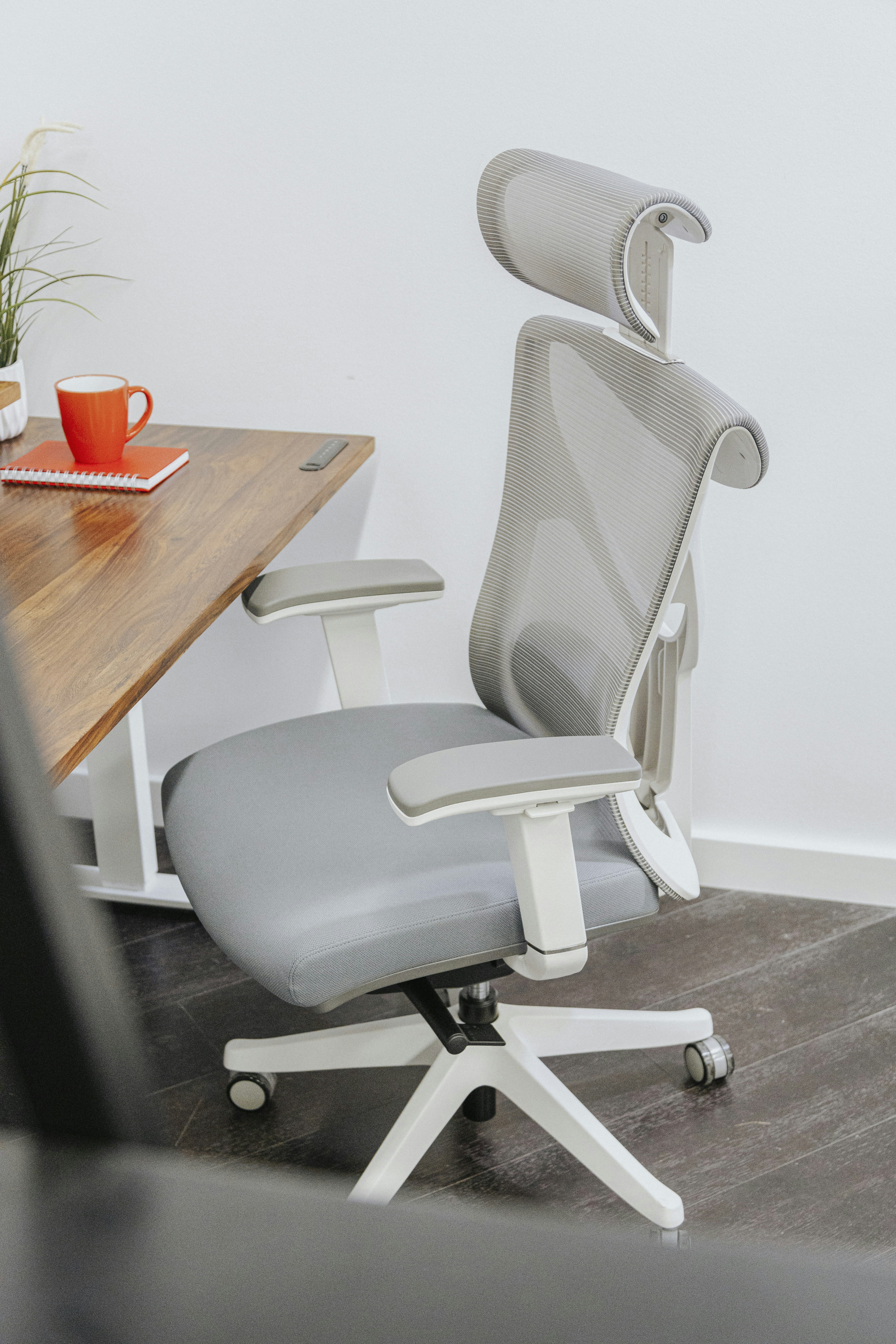
Introduction to Neck Pain in the Workplace
Neck pain has become a growing concern among office workers, with studies indicating that a substantial portion of the workforce experiences discomfort in this area. The nature of sedentary jobs, characterized by prolonged periods of sitting, can lead to a myriad of musculoskeletal problems, particularly affecting the neck and spine. As employees often spend several hours each day at their desks, the posture adopted during this time plays a critical role in the development of neck pain. Poor ergonomics, such as using inadequately designed workstations, can contribute to the strain on neck muscles and ligaments, leading to discomfort and even chronic pain.
Several factors can exacerbate neck pain in the workplace. For instance, repetitive movements, lack of movement, and poor posture, such as slouching or leaning forward while working on a computer, can all contribute to muscular tension and discomfort in the neck area. Furthermore, stress and mental fatigue often lead to tension buildup, which can also manifest physically in the neck and shoulder regions. The implications of ignoring these discomforts can lead to decreased productivity and, in some cases, long-term health complications.
Addressing neck pain is crucial for maintaining overall well-being, particularly in an office environment. Preventive measures, such as incorporating simple office stretches into the daily routine, can be highly effective in alleviating discomfort and preventing recurrence. These stretches not only promote flexibility and strength but also foster a greater awareness of body mechanics, encouraging individuals to adopt healthier postures while working. By recognizing the prevalence of neck pain and understanding its causes, office workers can take proactive steps to improve their work environment and minimize discomfort.
Understanding Posture and Its Impact on Neck Health
Posture plays a pivotal role in maintaining overall neck health, particularly in a workplace environment where prolonged periods of sitting are common. When individuals adopt poor posture—such as slouching or craning the neck forward—it can lead to a range of neck-related issues. Over time, these habits contribute to muscle strain, tension, and discomfort, significantly impacting productivity and quality of life.
Common poor postures typically observed in an office setting include leaning forward while typing, placing excessive weight on one side of the body, and straining the neck while looking at screens at an awkward angle. These postural misalignments can lead to discomfort and pain in the neck region, as the muscles and ligaments become overstressed. Additionally, such postures can result in reduced blood flow to the neck area, exacerbating the discomfort. By acknowledging these poor habits, employees can take proactive measures to mitigate their impact on neck health.
Maintaining proper alignment while seated at a desk is crucial for promoting neck health. An ergonomic workspace setup—one that encourages a neutral spine position—can drastically improve posture. This involves adjusting the chair height so that the feet rest flat on the ground, ensuring that the screen is at eye level to avoid tilting the head, and using supportive cushioning to maintain the natural curve of the spine. Additionally, taking regular breaks to stretch and reposition oneself can further enhance alignment and reduce the likelihood of developing neck pain.
Incorporating these practices into daily routines fosters an environment where neck health is prioritized, thereby encouraging overall well-being. By understanding the critical relationship between posture and neck health, individuals can make informed decisions toward fostering a more comfortable and pain-free workspace.
The Benefits of Stretching During Work Hours
Incorporating stretching into a daily office routine presents numerous advantages, significantly impacting both physical well-being and overall productivity. One of the primary benefits of regular stretching is increased flexibility. When employees engage in stretches, they can enhance the range of motion in their muscles and joints, which is particularly beneficial for those who spend extended periods in a seated position. Improved flexibility not only aids in maintaining better posture but also decreases the likelihood of injury.
Moreover, stretching plays a crucial role in promoting better circulation. As individuals remain sedentary for long hours, blood flow may become restricted, leading to discomfort and fatigue. Engaging in simple stretches allows for increased blood flow, which can help provide oxygen and nutrients to muscles, subsequently revitalizing energy levels. This enhanced circulation can be especially advantageous in a bustling office environment, where maintaining focus and alertness is essential for productivity.
Additionally, stretching can significantly reduce muscle tension. The act of stretching helps alleviate built-up tension in areas prone to strain, such as the neck, shoulders, and back. By regularly incorporating stretches, employees can mitigate the discomfort often caused by prolonged sitting and repetitive motions. This approach not only supports physical health but also fosters a more conducive work atmosphere, where employees feel more comfortable and engaged.
Lastly, the positive impact of stretching extends to enhanced productivity. When employees take the time to stretch, they are more likely to experience reduced fatigue and improved concentration. A short break dedicated to stretching can serve as a mental reset, enabling workers to return to tasks with greater focus and creativity. In conclusion, the numerous benefits of stretching during work hours underscore its importance in a healthy office routine, enhancing both physical and mental well-being.
Basic Neck Stretches for Office Workers
Neck pain is a common ailment among office workers due to prolonged periods of sitting and poor posture. Incorporating simple neck stretches into a daily routine can significantly alleviate discomfort. Here are some effective neck stretches specifically designed for those spending long hours at a desk.
One of the most straightforward neck stretches is the neck tilt. For this stretch, sit upright in your chair. Slowly tilt your head to the right, bringing your ear toward your shoulder. Hold this position for approximately 15 to 30 seconds while breathing deeply. You may feel a gentle stretch along the left side of your neck. Repeat on the other side by tilting your head to the left. This stretch aids in relieving tension and improves flexibility, essential for keeping neck pain at bay.
Another beneficial stretch is the chin tuck. To perform this, remain seated with a straight back. Gently tuck your chin toward your chest, pulling your head back as if creating a double chin. Hold the position for 5 to 10 seconds, then release. This exercise helps elongate the neck muscles and counterbalances the forward head posture typical in office settings.
A third effective option is the neck rotation stretch. While sitting up straight, gently turn your head to the right until you feel a stretch in your neck. Maintain this position for 15 to 30 seconds before returning to the center and transitioning to the left side. This movement enhances overall neck mobility and can be executed discreetly at one’s desk without drawing attention.
Finally, consider incorporating shoulder rolls. To do this, sit straight and lift your shoulders toward your ears, then roll them back and down in a circular motion. Repeat this 5 to 10 times. This stretch not only relaxes the neck but also engages the shoulders, providing a full upper body release.
When performing these stretches, ensure that you maintain a relaxed posture and avoid any movements that cause pain. Integrating these basic neck stretches into your daily office routine can help in minimizing neck discomfort, contributing to overall well-being.
Creating a Stretching Routine for the Office
Establishing a regular stretching routine at the office is essential for maintaining comfort and preventing neck pain among employees. To begin, it is advisable to incorporate stretches into your daily work schedule, aiming to perform short stretching sessions every two to three hours. This frequency allows the body to release tension that may accumulate due to prolonged periods of sitting, especially in front of a computer.
The timing of these sessions can also play a crucial role in their effectiveness. Consider scheduling stretching breaks during natural transition points in your day, such as after completing a project, before or after meetings, or even during your lunch break. These moments serve as reminders to prioritize your physical well-being amidst a busy work environment. A five-minute stretch can significantly relieve tightness in the neck and shoulders, helping you to return to your tasks with improved focus and reduced discomfort.
Incorporating stretching into your routine does not have to be time-consuming or disruptive. You can create a designated stretch area in the office or simply use your workspace to perform a few essential movements. Simple neck rolls, shoulder shrugs, and forward bends can often be done discreetly, ensuring minimal interruption to your workflow. Additionally, you might consider inviting colleagues to join in—a group stretching session can foster a sense of community while encouraging everyone to prioritize their health.
By making stretching a consistent part of your office routine, you can effectively combat neck pain and improve overall productivity. A proactive approach to incorporating these stretches into your daily activities will not only enhance personal well-being but also cultivate a healthier workplace environment for all. The key is consistency and gradual integration, making a positive impact on your daily work life.
Stretching Exercises Beyond the Neck
Neck pain is often a result of tension that extends beyond the cervical regions, implicating various interconnected muscle groups including the shoulders and upper back. Therefore, incorporating stretches that target these areas can significantly aid in alleviating discomfort. Performing well-structured stretching exercises can promote a balanced body and help mitigate the risk of developing chronic neck pain.
One effective stretch to relieve tension in the shoulders involves the shoulder shrug. To perform this exercise, sit or stand in a comfortable position and gently lift your shoulders toward your ears, holding for a few seconds before releasing them back down. Repeat this exercise 10 times, ensuring that you are breathing deeply and encouraging relaxation during each repetition.
Another beneficial stretch targets the upper back. The seated twist stretch can be performed while sitting in a chair. To do this, maintain an upright posture, place your right hand on the back of your chair, and rotate your torso to the right, using your left hand to brace against the outer part of your right knee. Hold for 15 to 30 seconds and repeat on the opposite side. This stretch helps to increase mobility in the thoracic spine, thereby reducing pressure on the neck muscles.
Moreover, integrating full-body stretches into your routine can help in achieving overall muscle relaxation. The standing forward bend is a simple yet powerful exercise: stand with your feet hip-width apart, inhale, and as you exhale, hinge forward at the hips, allowing your arms to hang toward the floor. This stretch not only opens up the back but also encourages relaxation throughout the entire body.
Lastly, it is crucial to maintain proper form during these stretches, ensuring that you do not overextend or strain any muscle group. Regularly engaging in these stretches can create a positive impact on your neck’s health and overall well-being, promoting a more relaxed and productive office environment.
Using Ergonomics to Enhance Stretching Benefits
In the pursuit of alleviating neck pain associated with prolonged periods of sitting, the integration of ergonomics into the workplace plays a pivotal role. Ergonomics refers to designing the workspace in a way that optimizes human well-being and overall system performance. To begin with, the height of the office chair should enable the feet to rest flat on the floor while the knees are at or slightly below hip level. This position promotes better blood circulation and reduces strain on the neck and back, setting a solid foundation for effective stretching.
Next, monitor positioning is crucial. Ideally, the top of the monitor screen should be at or slightly below eye level. This allows for a neutral head position, minimizing the inclination to tilt the head forward or backward, which can lead to neck strain over time. Ensuring that the monitor is approximately an arm’s length away can further reduce eye strain, allowing for more comfortable viewing during work tasks.
Moreover, keyboard and mouse placement should be aligned to keep the wrists straight and the forearms parallel to the floor. Ascertain that both the keyboard and mouse are placed close enough to avoid reaching, as this not only enhances efficiency but also decreases tension in the neck and shoulders. Small adjustments such as using wrist rests can provide additional support during typing, further promoting a healthy posture.
Furthermore, incorporating stand-up desks or ergonomic chairs that offer lumbar support can significantly improve posture and reduce the tendency to slouch. These adjustments, when combined with regular stretching routines, can contribute immensely to safeguarding the neck from pain. By embracing ergonomic principles, individuals can create a more favorable workspace that not only supports physical health but also enhances productivity and comfort.
Listening to Your Body: When to Seek Help
Understanding the signals your body sends is crucial to maintaining neck health, especially for those who spend long hours at a desk. Neck pain can vary in intensity and duration, and recognizing the signs that warrant professional intervention is key to preventing chronic issues. If you experience persistent discomfort that lasts for more than a few days, difficulty in moving your neck, or pain that radiates into the arms or shoulders, it may be time to consult a healthcare provider.
Aside from acute pain, other symptoms such as numbness, tingling sensations, or significant weakness should urge immediate medical advice. These could indicate more serious conditions, such as nerve compression or cervical spine disorders. Identifying the right type of healthcare provider can greatly streamline the path to recovery. Generally, primary care physicians can offer initial assessments and refer patients to specialists if needed. Chiropractors, physical therapists, and orthopedic surgeons may provide targeted interventions based on the underlying cause of neck pain.
Preventive care also plays a significant role in maintaining neck health. Regular stretching, proper ergonomics while working, and taking frequent breaks can alleviate undue stress on the neck. Listen to your body; if an activity causes discomfort, it is advisable to modify your approach rather than pushing through the pain. Practicing good posture and ensuring your workstation is ergonomically designed are simple yet effective ways to mitigate neck strain. Incorporating mindfulness techniques, such as stress relief exercises and yoga, can contribute to overall well-being and neck comfort.
Ultimately, being proactive about neck care and paying attention to your body’s signals can help in managing and preventing pain effectively. Addressing concerns early with the appropriate healthcare provider not only aids in recovery but also promotes long-term neck health.
Conclusion: Making Stretching a Daily Habit
Incorporating simple office stretches into your daily routine is essential for maintaining neck health and preventing discomfort. The modern workplace often necessitates long periods of sitting, which can lead to stiffness and pain, particularly in the neck area. By dedicating just a few minutes each day to stretching, you can counteract the negative effects of prolonged sedentary behavior.
Throughout this blog, we have highlighted various stretches designed specifically to alleviate neck pain. These exercises can easily be integrated into your workday, even during short breaks. Regular practice not only enhances flexibility but also improves circulation, which is vital for delivering nutrients to your muscles and maintaining overall well-being. As the risk of neck pain continues to rise with increased desk time, taking proactive measures is essential.
Establishing a routine that includes these stretches can transform your office environment. It encourages not only your own well-being but can also inspire colleagues to prioritize their physical health. The benefits of these simple exercises extend beyond just immediate relief. Over time, they contribute to better posture, reduced tension, and an overall enhanced sense of comfort while working.
We encourage you to set reminders or even join forces with coworkers to foster a culture of stretching at the office. Whether it be a brief session in the morning or a quick stretch break during the afternoon slump, consistency is key. As you commit to making stretching a daily habit, you will likely notice improved neck health and increased productivity. Take the first step today and prioritize your physical wellness—your neck will thank you.