
Introduction: Health Transitions at 40
Reaching the age of 40 is often regarded as a significant milestone, marking the transition into middle adulthood. This period is commonly accompanied by various physiological and psychological changes that can impact an individual’s overall well-being. Understanding these transformations is essential, as they inform the importance of regular health checkups and proactive health management.
Physically, individuals may begin to notice a gradual decline in metabolism, which can lead to weight gain if dietary habits remain unchanged. Muscle mass tends to decrease, and joint flexibility may diminish, making physical activity more challenging. Bone density may also start to decline, increasing the risk of fractures in later years. Moreover, hormonal changes, particularly among women experiencing perimenopause, can lead to a variety of symptoms, including mood swings, sleep disturbances, and changes in menstrual cycles.
Mentally, the transition into this age bracket can usher in a period of self-reflection and reevaluation of life goals. Individuals may find themselves dealing with increased responsibilities, such as caring for aging parents or supporting children through transitions of their own. This shift can elicit feelings of stress and anxiety. Additionally, cognitive changes, though often minimal and manageable, can include a slight decline in memory or processing speed, prompting a need for greater mental acuity.
Given these shifts in physical health and mental wellness, the significance of health checkups cannot be overstated. Regular assessments not only provide an opportunity to monitor these changes but also facilitate early detection of potential health issues, fostering timely interventions. Therefore, navigating health at 40 requires an informed and strategic approach, as understanding these transitions is critical for maintaining a high quality of life.
Physical Changes: What to Expect
As individuals reach the age of 40, they often experience a series of physical changes that can significantly impact their overall health and well-being. One of the most common changes is a slowdown in metabolism. This natural decline is typically attributed to a decrease in muscle mass, which is an essential factor in maintaining a higher metabolic rate. With age, the body tends to lose muscle tissue at a rate of approximately 3% to 8% per decade, leading to challenges in weight management and an increased propensity for weight gain.
Another crucial aspect to consider is bone density. Around the age of 40, individuals may begin to notice a gradual decrease in bone density, particularly in women, due to hormonal changes associated with menopause. Osteoporosis, characterized by weak and brittle bones, becomes a significant concern. It is vital for individuals to engage in weight-bearing exercises and maintain adequate calcium and vitamin D intake to bolster bone health.
Sexual health may also undergo notable transformations in this stage of life. For men, there could be a decline in testosterone levels, which may result in reduced libido and alterations in sexual performance. Women may experience changes related to hormonal fluctuations, especially as they approach menopause. These shifts often call for open conversations with healthcare providers to address any concerns and explore potential solutions adequately.
Understanding these physical changes is essential for individuals approaching their 40s, as it fosters awareness of the importance of adaptive health habits. Implementing a balanced diet, regular exercise, and routine health checkups can significantly mitigate these changes, promoting a healthier and more vibrant life as one progresses through this pivotal decade.
Mental Health and Cognitive Changes
As individuals reach the age of 40, they may begin to notice subtle yet significant changes in their mental health and cognitive functioning. This period can mark a transitional phase where both cognitive and emotional shifts become palpable. One prevalent change is memory alteration; many may experience minor forgetfulness or difficulty in recalling certain information, which can be distressing. It is crucial to recognize that these memory changes are often normal but can signal the onset of underlying issues. Proactive management is essential to ensure cognitive health is maintained.
In addition to memory challenges, increased stress is another common experience for individuals around this age. The pressure of balancing various responsibilities—such as career demands, family obligations, and personal aspirations—can lead to heightened stress levels. This factor, combined with the emotional demands of navigating midlife transitions, can significantly impact an individual’s mental well-being. It is imperative to adopt effective stress management techniques to alleviate the burden, which can include practices such as mindfulness, regular exercise, and engaging in hobbies that offer relaxation.
Furthermore, the risk of developing mental health issues, such as anxiety and depression, may escalate during this stage of life. The combination of physical aging, lifestyle transitions, and social expectations can contribute to feelings of inadequacy or overwhelm. Awareness of these potential challenges is crucial for individuals entering this decade. Seeking early intervention or professional help can facilitate effective coping strategies and support mental resilience. Being vigilant about mental health and recognizing the signs of cognitive change can empower individuals to navigate their forties with greater confidence and stability.
Why Health Checkups Become Crucial After 40
As individuals reach the age of 40, the significance of regular health checkups becomes increasingly apparent. At this age, physiological changes and an increased risk of chronic conditions make proactive health monitoring essential. Health checkups serve as a pivotal element in preventive healthcare, allowing for early detection of potential health issues before they evolve into serious problems.
Regular assessments can unveil conditions such as hypertension, diabetes, and high cholesterol, which may not exhibit noticeable symptoms initially. By identifying these risks early through structured health checkups, individuals can implement lifestyle modifications or initiate medical treatments to manage their health more effectively. This proactive approach contributes to a notable reduction in long-term complications associated with untreated ailments.
Additionally, checkups play a critical role in the management of existing health conditions. For individuals with a history of health issues, such as cardiovascular diseases, regular visits to healthcare professionals can ensure that their conditions are being monitored and managed appropriately. This ongoing engagement with health services not only provides patients with updated treatment plans but also fosters a more profound understanding of their health, empowering them to make informed decisions.
Moreover, routine health checkups promote overall well-being by supporting a balanced lifestyle. They typically include discussions about diet, exercise, mental health, and other crucial aspects of health. Consequently, individuals are more likely to adopt healthier habits when they engage in regular conversations about their health status with their professionals. The overall maintenance of physical and mental wellness becomes a priority, leading to a higher quality of life as one ages.
In conclusion, the age of 40 heralds significant changes in the body that necessitate a commitment to health checkups. Engaging in this preventive practice can lead to better health outcomes, effective management of existing conditions, and the promotion of a healthier lifestyle overall.
Common Health Screenings Recommended for People Over 40
As individuals transition into their forties, health screenings become an essential aspect of preventive care. Regular screenings can help identify potential health issues early, where interventions are often most effective. Various tests and assessments are recommended to monitor critical health indicators and provide a comprehensive overview of an individual’s health status.
One of the primary screenings is the measurement of cholesterol levels. Elevated cholesterol can be a significant risk factor for heart disease, which becomes even more pertinent as one ages. The American Heart Association recommends that adults aged 40 and above undergo cholesterol checks at least once every five years. Depending on personal and family medical histories, more frequent testing may be necessary.
Blood pressure measurements are another critical health assessment for individuals over 40. High blood pressure often develops without noticeable symptoms and can lead to severe complications if left unchecked. It is advised that adults get their blood pressure checked at least annually, with more frequent monitoring for those at risk of hypertension.
Cancer screenings are particularly vital for this age group, with specific tests recommended for different types of cancer. For instance, women should begin annual mammograms at age 40 to screen for breast cancer, while men should discuss prostate cancer screening options with their healthcare providers as they approach this age. Additionally, colon cancer screenings are recommended starting at age 45, using various methods such as colonoscopy, depending on individual risk factors.
Other screenings that may be recommended include diabetes testing, particularly for those who are overweight or have a family history of diabetes. Regular vision and hearing checks are also advisable to detect changes that can occur as one ages.
Collectively, these health screenings play a pivotal role in promoting health and longevity, facilitating timely interventions and lifestyle adjustments as needed.
Barriers to Health Checkups at 40 and Beyond
As individuals reach the age of 40, the necessity for regular health checkups becomes increasingly crucial. However, many encounter significant barriers that inhibit their ability to schedule and attend these medical appointments. One of the most prominent challenges is lack of time. Balancing a demanding job, familial responsibilities, and social obligations can make it difficult for adults to prioritize their health, often leading to postponed or missed checkups. The perception that there is not enough time to dedicate to health-related activities can significantly impact individuals’ willingness to seek preventive care.
Financial constraints can also pose a serious hurdle. Even with health insurance, unexpected medical expenses, co-pays, and deductibles may discourage some from attending checkups. The fear of incurring costs associated with tests or treatments recommended during these visits can further complicate the decision-making process. This financial pressure can lead individuals to neglect necessary health evaluations, subsequently increasing their risk for untreated health issues.
Moreover, another significant barrier to health checkups is the fear of potential diagnoses. Many individuals may dread receiving bad news or confronting chronic health conditions, leading them to avoid medical evaluations altogether. This avoidance behavior not only jeopardizes their current health but can also escalate minor issues into more serious concerns over time. Furthermore, the stigma surrounding certain health issues can also deter individuals from seeking help. For instance, conditions related to mental health, weight issues, or sexually transmitted infections may carry societal stigmas that discourage individuals from seeking necessary evaluations.
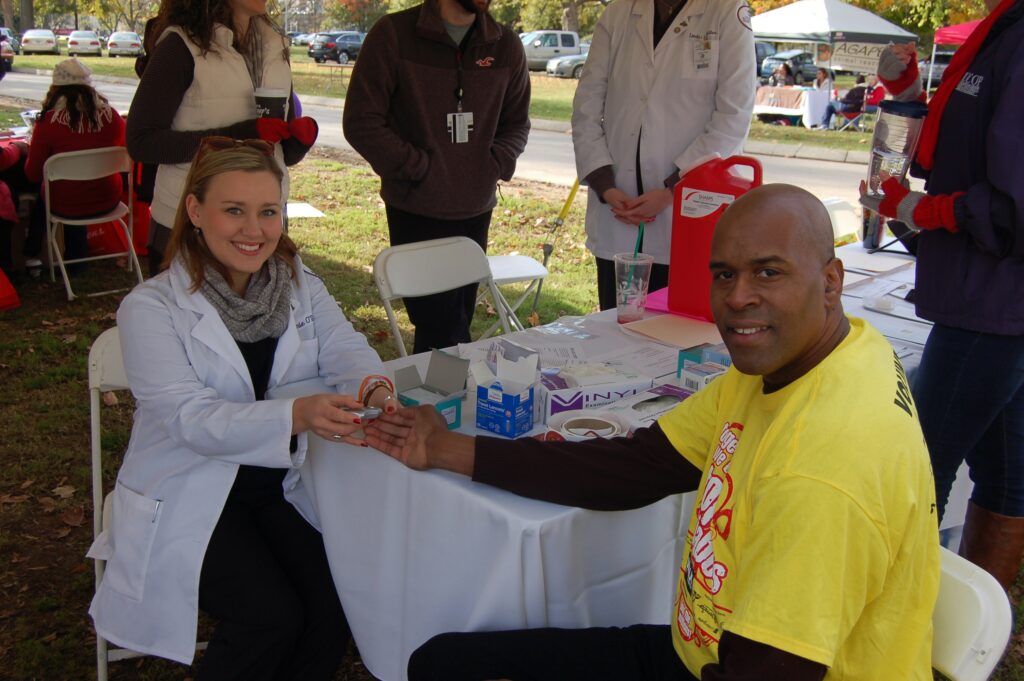
Addressing these barriers is essential to promote a culture of health awareness and regular checkups, especially as people age beyond 40. Emphasizing the importance of proactivity in health management can lead to better health outcomes and a higher quality of life.
Strategies for Overcoming Health Checkup Barriers
Many individuals face barriers that prevent them from prioritizing their health checkups, particularly as they reach the age of 40. Implementing specific strategies can significantly mitigate these obstacles and promote better healthcare engagement. One effective approach is to schedule health checkups in advance. By planning appointments ahead of time, individuals can allocate necessary time in their schedules, making it less likely for unexpected commitments to interfere. Setting reminders on calendars or phones ensures that these appointments remain a top priority.
Financial concerns often deter individuals from attending regular health checkups. To address this, seeking financial assistance or exploring insurance coverage can help alleviate the cost burden. Many healthcare providers offer payment plans or sliding scale fees based on income, which can make healthcare services more accessible. Additionally, being informed about available community resources, such as free clinics, can provide essential support for those experiencing financial difficulties.
Building a support network plays a crucial role in overcoming barriers to health checkups. Encouraging friends or family members to join healthcare visits can help ease anxiety and bolster motivation. Individuals may feel more empowered to address their health needs when supported by those they trust. Furthermore, sharing experiences within a supportive community can normalize health checkups and encourage others to participate.
Lastly, addressing the mental blocks associated with healthcare visits is essential. Many people may experience anxiety or fear related to potential diagnoses or procedures. Engaging in stress-reduction techniques, such as deep breathing exercises or mindfulness practices, can significantly improve emotional readiness for appointments. Coupled with this, seeking educational information about health checkups can demystify the process, making it less intimidating. By employing these strategies, individuals can navigate barriers more effectively and ensure that their health remains a priority as they age.
Embracing a Holistic Approach: Lifestyle Changes
As individuals reach the age of 40, prioritizing health through a holistic approach becomes imperative. This means integrating various aspects of life into a comprehensive health strategy that encompasses nutrition, physical activity, stress management, and sleep hygiene. Each component plays a critical role in enhancing overall well-being and preventing potential health issues.
Nutrition is a cornerstone of health after 40. A balanced diet rich in fruits, vegetables, whole grains, lean proteins, and healthy fats can significantly impact physical health and vitality. Incorporating a variety of nutrients is essential, as the body’s nutritional needs evolve with age. Attention should be paid to controlling portion sizes and reducing the intake of processed foods, sugars, and unhealthy fats. This proactive dietary approach not only fosters better health but also aids in managing weight and reducing the risk of chronic diseases.
Exercise is another essential element of a holistic health plan. Regular physical activity helps maintain cardiovascular health, enhances strength and flexibility, and can alleviate the effects of stress. An ideal routine includes aerobic exercises, strength training, and flexibility workouts, tailoring the activities to fit individual abilities and preferences. Engaging in physical activities that one enjoys can foster consistency, transforming exercise into a rewarding part of daily life.
Effective stress management is crucial, particularly as life can present an array of challenges at this stage. Techniques such as mindfulness, meditation, or yoga may offer beneficial tools to help individuals navigate stress, promoting mental welfare. Furthermore, adopting a structured sleep hygiene routine enables the body to recover fully, emphasizing the importance of quality sleep. Adequate rest is vital for cognitive function, emotional regulation, and overall health.
Incorporating these lifestyle changes—nourishing oneself with healthy food options, staying physically active, managing stress, and ensuring sufficient sleep—creates a foundation for outstanding health after 40. This holistic approach, complemented by regular health checkups, is vital for promoting long-term wellness and well-being.
Conclusion: Taking Charge of Your Health After 40
As individuals transition into their 40s, the importance of regular health checkups becomes increasingly apparent. This decade often brings about significant changes in one’s physical and mental well-being, underscoring the need for proactive health management. By taking charge of your health through routine examinations, you are empowered to identify potential issues early and intervene effectively. Health checkups serve as a crucial tool in this process, facilitating discussions about risk factors, preventive measures, and personalized health strategies.
Understanding the changes that occur in the body after 40 is critical. Metabolism may slow down, hormonal fluctuations can lead to various symptoms, and heightened risk for chronic conditions such as hypertension and diabetes may emerge. Acknowledging these shifts is the first step towards maintaining good health. By incorporating the insights gained from health checkups, individuals can better understand their unique health profile and engage in tailored lifestyle alterations.
Lifestyle modifications play a pivotal role in promoting wellness. This may include adopting a balanced diet rich in nutrients, increasing physical activity, managing stress, and ensuring adequate sleep. Furthermore, quitting unhealthy habits like smoking and excessive alcohol consumption is crucial. Such changes not only reduce the risk of illness but also enhance overall quality of life, creating a healthier foundation as one navigates through the 40s and beyond.
In essence, taking an active part in one’s health does not merely entail visiting a physician; it involves a comprehensive approach to wellness. Empowerment through knowledge and lifestyle choices leads to better health outcomes and fosters a sense of responsibility for one’s well-being. By prioritizing health checkups and implementing strategic lifestyle changes, individuals can take significant steps toward preserving their health well into the future.