
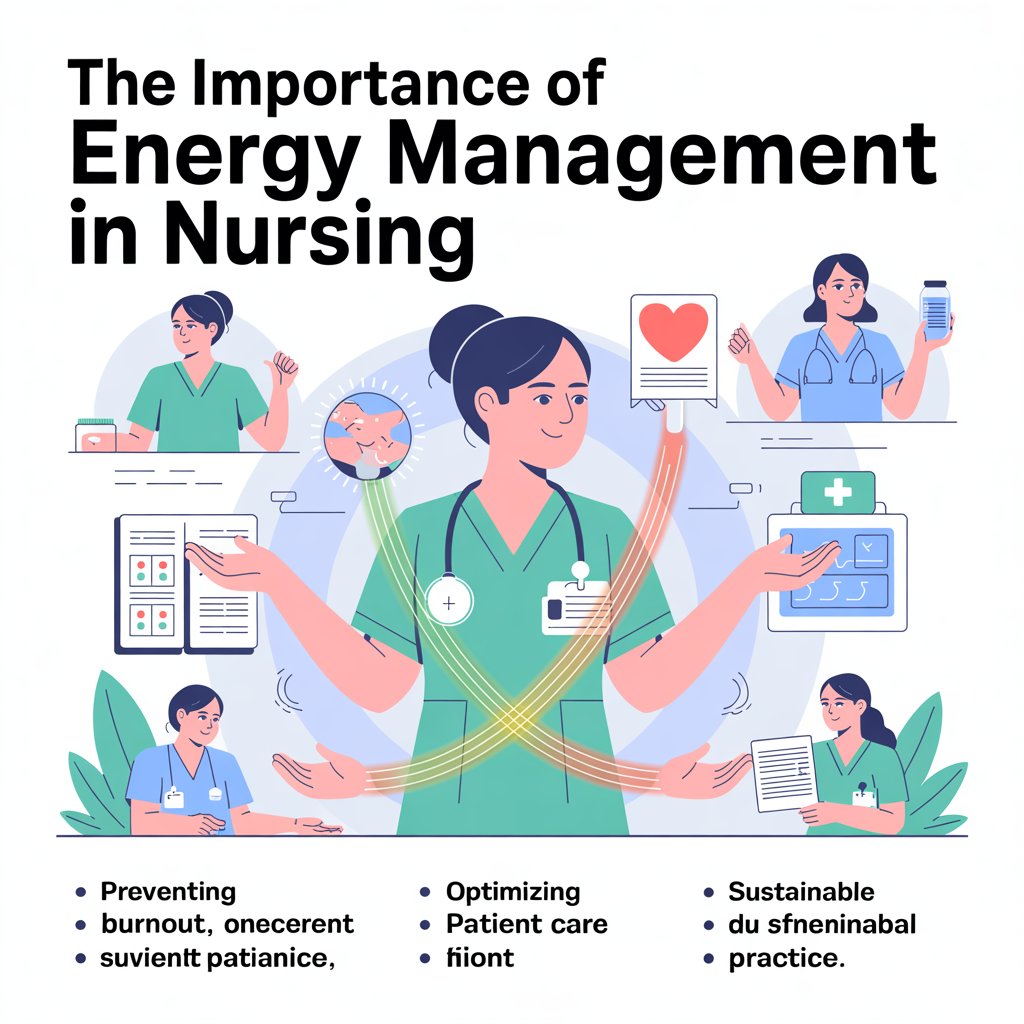
The Importance of Energy Management in Nursing
Nursing is a demanding profession that requires a unique blend of physical stamina and mental sharpness. The long shifts that nurses often endure can take a toll on their overall well-being, making energy management a critical aspect of their practice. As the healthcare environment becomes increasingly complex, the physical and mental demands placed on nurses continue to grow, necessitating effective strategies to maintain energy levels throughout the day.
Fatigue in nursing can directly impact patient care quality. When nurses experience exhaustion, their ability to make quick, accurate decisions diminishes, leading to increased risks for patients. Insufficient energy not only affects a nurse’s capacity to perform clinical tasks but also hampers their emotional resilience, which is essential for providing compassionate care. Consequently, a fatigued nurse may struggle with maintaining focus, observing vital changes in patients, and communicating effectively with the healthcare team, which poses a risk to patient safety and recovery.
On the other hand, effective energy management can lead to numerous benefits. When nurses prioritize their health and energy levels, they are more equipped to deliver high-quality care consistently. Strategies such as proper nutrition, regular hydration, and scheduled breaks can significantly enhance their endurance and cognitive functioning. Additionally, fostering a positive work environment and utilizing mental wellness techniques can help nurses maintain motivation and morale throughout demanding shifts.
By actively engaging in energy management practices, nurses not only safeguard their own health but also create a more favorable atmosphere for patient care. Prioritizing self-care and energy levels can lead to better outcomes for both nurses and patients, forming the backbone of a sustainable nursing practice. Ultimately, integrating these strategies into their daily routines is fundamental for nurses to excel in their vital roles within the healthcare system.
Nutrition: Fueling the Body for Long Shifts
Nutrition plays a critical role in sustaining energy levels for nurses who endure long shifts. These health professionals require adequate fuel to maintain both physical and mental stamina. Opting for a balanced diet focused on whole foods can significantly enhance their overall performance during demanding work hours. Whole grains, lean proteins, fruits, and vegetables should be staples in a nurse’s diet. Whole grains like quinoa, brown rice, and oats provide essential carbohydrates, which are vital for energy production.
Incorporating lean proteins, such as chicken, fish, and legumes, ensures the body has the necessary building blocks to repair and build tissues. Proteins also aid in satiety, allowing nurses to feel full longer between meals. Fresh fruits and vegetables are rich in vitamins, minerals, and antioxidants, which bolster the immune system and contribute to overall health. Berries, for example, are not only nutrient-dense but also easy to consume on the go, making them an ideal snack for busy shifts.
Hydration is another essential aspect of nutrition that should not be overlooked. Staying properly hydrated can help maintain energy levels and cognitive functions. Nurses should aim to drink water consistently throughout their shifts, and incorporating hydrating foods like cucumbers, oranges, and watermelon can add to fluid intake. Replacing sugary drinks with healthier alternatives can prevent energy crashes and dehydration.
Meal prep strategies also play a vital role in ensuring that nurses have quick and healthy options readily accessible. Preparing meals in advance allows for better control over nutrition and portion sizes. By using weekends or off days to create balanced meals, nurses can efficiently navigate through long shifts without resorting to unhealthy snacks. Utilizing containers to portion out meals and snacks can make healthy eating easier, promoting sustained energy levels in the workplace.
Physical Activity and Movement Strategies
Maintaining a high level of energy during long shifts is crucial for nurses, as their roles require continuous focus and physical endurance. Incorporating physical activity and movement strategies into daily routines can significantly enhance a nurse’s ability to stay energized throughout demanding hours. Simple exercises, stretching routines, and mindful movement can prevent fatigue and improve overall well-being.
One effective approach includes implementing brief stretching sessions during breaks. These can involve simple motions such as neck rolls, shoulder shrugs, and wrist stretches, which can be performed in just a few minutes but yield significant benefits. Stretching helps to alleviate muscle tension that builds up during long periods of standing or repetitive movements, thereby enhancing blood flow and promoting relaxation.
In addition to stretching, nurses can benefit from incorporating short bursts of physical activity into their shifts. Activities like walking briskly between tasks or engaging in light footwork while monitoring patients can increase heart rate and invigorate the body. Furthermore, taking deliberate, short breaks to step outside or walk around enhances not only physical vigor but mental clarity as well. This brief change of scenery can refresh the mind and sharpen focus, which is essential for critical decision-making.
The benefits of these movement strategies extend beyond combating fatigue; they also contribute to improved mental health. Physical activity releases endorphins, which serve as natural mood lifters. Therefore, nurses who strategically integrate movement and take time to engage their bodies in mild exercise during shifts may experience enhanced emotional resilience, reducing the risk of burnout. By prioritizing physical activity, nurses can maintain energy levels, ensuring they remain effective in their pivotal roles.
10 Nurse-Approved Tips to Stay Energized at Work
Mindfulness and Stress Management Techniques
In the fast-paced and demanding environment of healthcare, nurses often experience high levels of stress, particularly during long shifts. To counteract fatigue and maintain energy levels, mindfulness and effective stress management techniques can be crucial. One powerful method to incorporate into a daily routine is deep breathing. This technique helps in anchoring the mind in the present moment, promoting relaxation and reducing anxiety. Nurses can benefit by taking a few minutes during their shifts to focus on their breath, inhaling deeply through the nose and exhaling slowly through the mouth. This simple practice can restore mental clarity and foster emotional balance.
Meditation is another valuable tool for stress management and energy enhancement. Even short periods of meditation can significantly improve a nurse’s capacity to cope with stressors and remain focused. Mindfulness meditation, in particular, encourages a heightened awareness of thoughts and feelings, allowing nurses to process and release negative emotions. Engaging in a daily meditation practice, even for just five to ten minutes, can result in profound changes in overall well-being, enhancing resilience during challenging shifts.
Time management also plays a pivotal role in maintaining energy. By prioritizing tasks and incorporating short mental breaks, nurses can prevent burnout and sustain their productivity. Utilizing techniques such as the Pomodoro Technique—working for 25 minutes followed by a 5-minute break—can facilitate focused work periods while providing necessary downtime. Furthermore, self-care is vital. Nurses should recognize the importance of taking moments for themselves, whether it’s enjoying a quick walk, listening to music, or savoring a healthy snack. These practices not only aid in emotional and mental recharge but also improve performance, enabling nurses to deliver high-quality care throughout their long shifts.